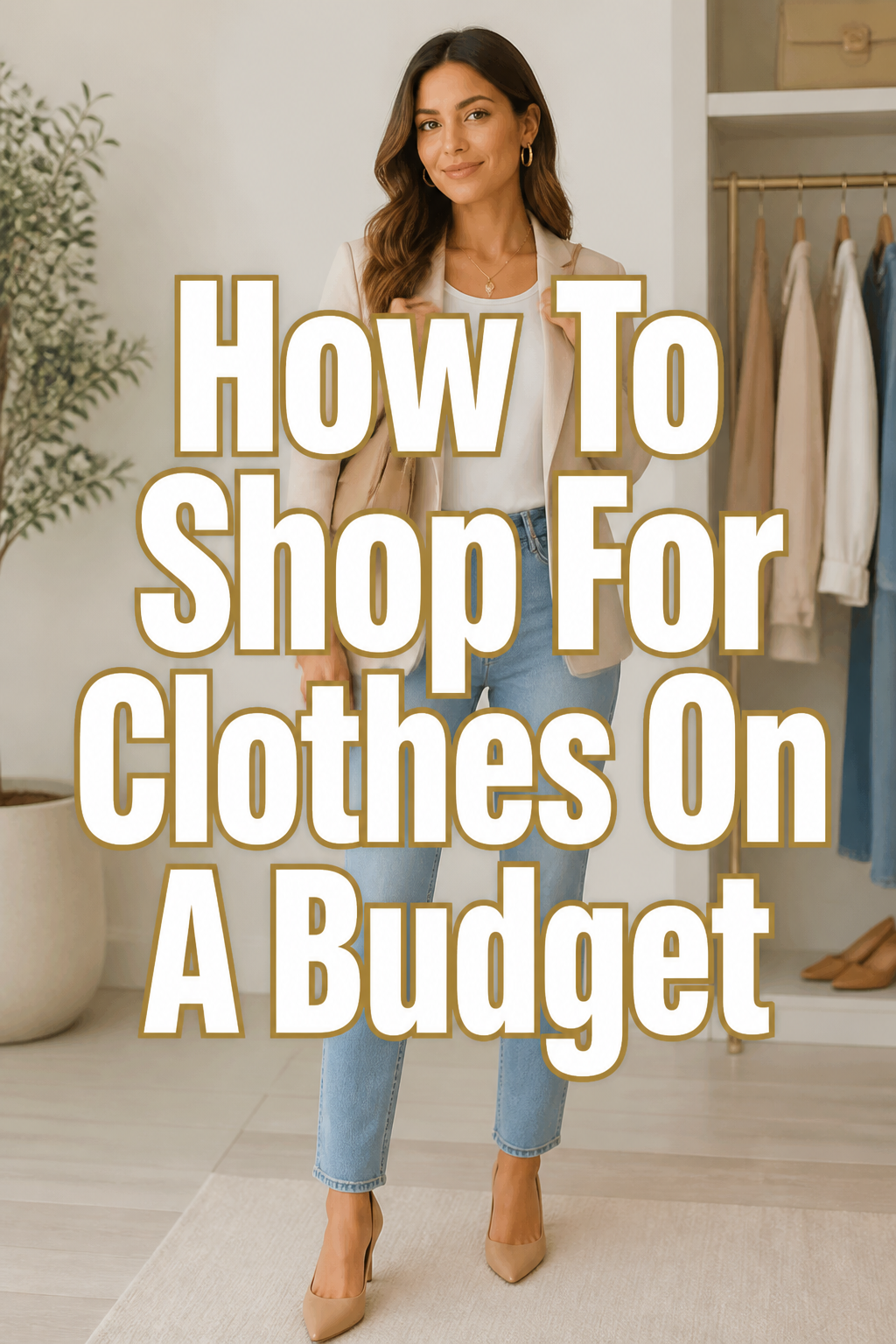
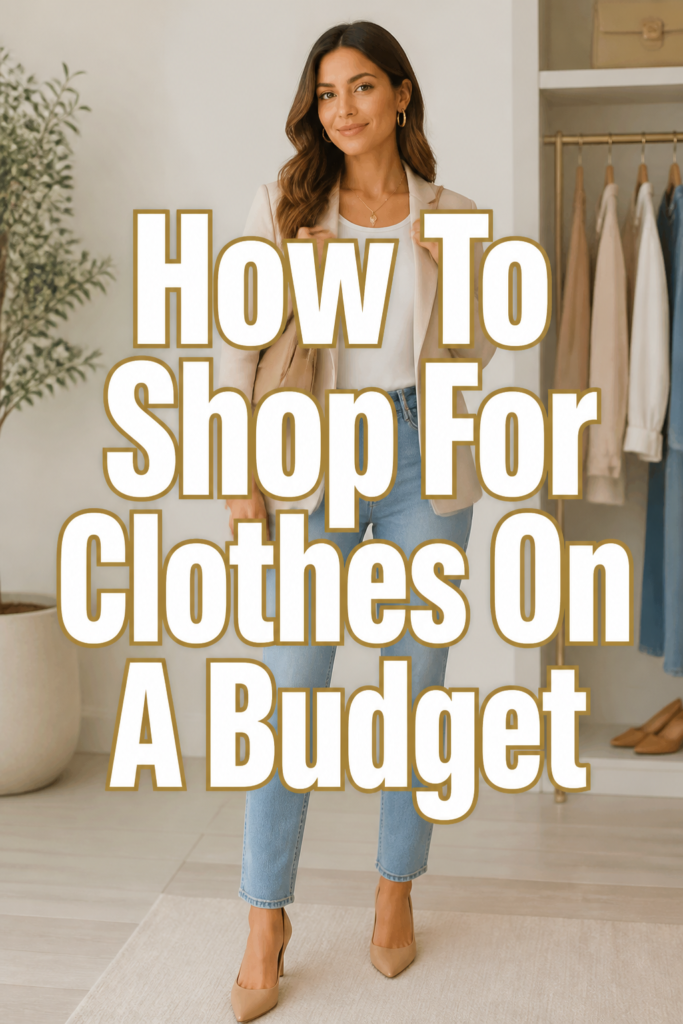
✨ How To Shop For Clothes On A Budget
📋 The Event Planner's Essential Toolkit
Whether you're throwing a massive birthday bash or an intimate baby shower, the right tools make execution effortless. These are the 5 essential items that professional event coordinators and DIY party hosts consistently rely on to pull off flawless celebrations without the stress.
🎈 Electric Dual-Nozzle Balloon Pump
The absolute lifeline for creating those trending balloon arches and garlands that everyone loves. This dual-nozzle pump lets you inflate hundreds of balloons in a fraction of the time, saving your lungs and transforming hours of prep work into minutes.
🛡️ Command Clear Party Hooks & Strips
The secret to magazine-worthy venue decorations without losing your security deposit. Professional planners stock up on these clear, damage-free hooks to hang banners, string lights, and paper lanterns securely on walls and ceilings, removing cleanly when the party is over.
🧁 Wilton Tiered Cupcake & Dessert Stand
The easiest way to make a simple dessert table look professionally catered. This customizable, multi-tier display stand gives crucial height and dimension to your treats, effortlessly elevating the presentation of cupcakes, cookies, or appetizers at any gathering.
🚂 Heavy-Duty Collapsible Utility Wagon
The unsung hero of off-site parties, park birthdays, and trunk-or-treats. This rugged folding wagon hauls folding chairs, coolers, and mountains of decor from your car to the venue in one trip, completely eliminating the exhausting pre-party back-and-forth hauling.
📓 Clever Fox Event Planner Organizer
The ultimate command center for keeping your sanity intact while hosting. Dedicated sections for guest lists, budget tracking, vendor contacts, and day-of timelines ensure that not a single crucial detail falls through the cracks before the big day.
Embarking on a journey to refresh your wardrobe without breaking the bank is not just possible, it’s incredibly rewarding.
I’ve personally transformed my closet, finding stunning pieces that spark joy, all while staying well within my budget.
This guide shares all my best secrets, empowering you to cultivate a stylish, sustainable wardrobe you adore.
Quick Overview
This guide will equip you with smart strategies to build a fantastic wardrobe on a budget, turning budget shopping into a delightful adventure.
- Time needed: 2-4 hours for initial planning and research, ongoing as you shop
- Difficulty: Beginner
- What you’ll need: A clear vision, a measuring tape, and an open mind
Step-by-Step Instructions
Step 1: Define Your Style & Wardrobe Needs
Before you even think about shopping, take a moment to understand your personal style. What colors make you feel vibrant? Which silhouettes flatter your body shape and boost your confidence?
Look through your current wardrobe and identify what you truly love and wear often. Notice any gaps or items that are worn out and need replacing.
Create a vision board, either physical or digital, with outfits and aesthetics that inspire you. This helps you stay focused and avoid impulse buys that don’t fit your overall look.
Pro Tip: Think about your daily activities and special occasions. Do you need more professional attire, comfortable lounge wear, or a few standout pieces for celebrations? Prioritize these needs.
Step 2: Take a Wardrobe Inventory & Declutter
Open your closet wide and honestly assess every item. Try on clothes you haven’t worn in a while.
Separate items into three piles: Keep, Donate/Sell, and Repair. Be ruthless but kind to yourself in this process.
A decluttered closet reveals what you already own, preventing duplicate purchases and highlighting genuine needs. It’s like finding hidden treasures.
Step 3: Set a Realistic Budget
Decide how much you are comfortable spending on clothes each month or quarter. This isn’t about deprivation; it’s about smart allocation.
Factor in potential alterations or cleaning costs for pre-owned items. A clear budget gives you freedom within your financial boundaries.
Remember, a budget is a tool to empower your choices, not restrict them. It helps you focus your energy on finding quality pieces you truly value.
Step 4: Explore Secondhand Treasures
Thrift stores, consignment shops, and online marketplaces like Poshmark or Depop are goldmines for unique finds. You can discover high-quality brands at a fraction of their original price.
Shopping secondhand is not only budget-friendly but also a fantastic way to support sustainable fashion. It reduces waste and extends the life of beautiful garments.
Approach secondhand shopping with an open mind and a sense of adventure. You never know what fabulous piece awaits you.
Pro Tip: When shopping secondhand, inspect items carefully for stains, tears, or missing buttons. Check seams and zippers to ensure durability.
Step 5: Master the Art of Sale Shopping
Patience is a virtue when waiting for sales. Sign up for email newsletters from your favorite brands to be notified of discounts and promotions.
Shop off-season for significant savings. Winter coats are cheaper in spring, and swimsuits go on sale in the fall.
Holiday sales events like Black Friday or End-of-Season clearances are prime opportunities to snag items on your wishlist at reduced prices.
Step 6: Prioritize Versatile & Classic Pieces
Invest in timeless staples that can be mixed and matched to create numerous outfits. Think neutral colors and classic cuts.
A well-fitting pair of jeans, a crisp white shirt, a simple black dress, and a versatile blazer form the backbone of a functional wardrobe.
These foundational pieces can be dressed up or down with accessories, making them incredibly cost-effective in the long run.
Step 7: Embrace Accessories for Impact
Accessories are your secret weapon for transforming outfits without buying new clothes. Scarves, belts, jewelry, and handbags can completely change a look.
A simple outfit can become elegant, playful, or edgy with the right accessories. They allow for endless creativity and personal expression.
Look for affordable accessories at discount stores, craft fairs, or even by swapping with friends. They offer a huge style payoff for minimal investment.
Step 8: Learn Basic Mending & Alterations
A loose button or a small tear doesn’t mean a garment is ruined. Learning basic mending skills can save you money and extend the life of your clothes.
A simple hem adjustment can transform an ill-fitting item into a perfect one. Don’t shy away from pieces that are “almost” right, especially if they’re a bargain.
Knowing how to mend empowers you to care for your clothes and make them truly your own. It’s a satisfying and sustainable skill.
Step 9: Practice Mindful Shopping
Before making a purchase, ask yourself: Do I truly need this? Does it fit my style? Can I create at least three outfits with it?
Avoid impulse buys by creating a “cooling off” period. If you still want the item after a day or two, then consider buying it.
Mindful shopping encourages thoughtful choices, ensuring every new addition to your wardrobe brings genuine value and joy.
Common Mistakes to Avoid
Buying for a “Someday” Life
It’s easy to get swept away by a beautiful garment that doesn’t fit your current lifestyle. You might imagine a future event where it would be perfect.
Resist the urge to buy clothes for a life you don’t currently lead. Focus on dressing the real you, right now, for your actual activities.
Your wardrobe should serve you daily, not gather dust waiting for an elusive “someday” occasion that might never arrive.
Ignoring the Cost Per Wear
A cheap item might seem like a bargain, but if it falls apart after a few wears, its true cost is high. A slightly more expensive, well-made piece can be a better investment.
Calculate the cost per wear by dividing the item’s price by the number of times you expect to wear it. A $100 coat worn 100 times costs $1 per wear, while a $20 top worn twice costs $10 per wear.
Prioritize quality and longevity, even on a budget. This approach saves money and reduces textile waste in the long run.
Shopping Without a Plan
Wandering into stores or browsing online without a clear idea of what you need often leads to aimless spending. You might buy items that don’t integrate with your existing wardrobe.
Always refer back to your needs list and style vision board. This focused approach ensures every purchase is intentional and purposeful.
A plan transforms shopping from a potentially overwhelming task into an exciting treasure hunt for specific, desired items.
Falling for Fast Fashion Trends
Constantly chasing the latest fleeting trends can quickly deplete your budget and leave you with a closet full of outdated items. These pieces often lack quality and versatility.
While it’s fun to incorporate a few trendy accessories, build your core wardrobe with classic, enduring styles. These pieces will serve you for years.
Focus on developing a personal style that transcends seasonal fads. This creates a timeless and truly sustainable wardrobe.
Troubleshooting
“I Can’t Find Anything I Like in Secondhand Stores”
Secondhand shopping requires patience and persistence. Not every visit will yield a treasure, and that’s perfectly normal.
Try exploring different types of secondhand stores in various neighborhoods or cities. Consignment shops often have higher-end curated selections, while thrift stores offer a wider, more random assortment.
Consider online secondhand platforms for a broader inventory. Be open to trying on items you wouldn’t normally consider; sometimes the unexpected piece becomes a favorite.
“My Budget Feels Too Restrictive”
If your budget feels tight, focus on one key item per month or quarter rather than trying to overhaul everything at once. Small, consistent additions are empowering.
Explore creative ways to “shop” your own closet by remixing existing pieces. Challenge yourself to create new outfits from what you already own.
Remember, building a stylish wardrobe on a budget is a marathon, not a sprint. Celebrate small victories and enjoy the journey of thoughtful acquisition.
“I Keep Buying Things I Don’t Need”
This often stems from emotional shopping or a lack of clarity. Before purchasing, pause and ask yourself if the item aligns with your defined style and wardrobe needs.
Implement a “one in, one out” rule. For every new item you buy, donate or sell an existing one. This helps maintain a balanced and intentional wardrobe.
Practice mindful breathing or take a short walk before making a purchase. This can help you differentiate between an impulse desire and a genuine need.
Key Takeaways
- Understand Your Style: Define your aesthetic and wardrobe needs before shopping.
- Declutter First: An organized closet reveals true gaps and prevents duplicate buys.
- Embrace Secondhand: Discover unique, high-quality items at a fraction of the cost.
- Shop Smart Sales: Be patient and strategic to find significant discounts.
- Prioritize Versatility: Invest in classic, mix-and-match pieces for long-term value.
- Mend and Alter: Extend the life of your clothes and make them fit perfectly.
Frequently Asked Questions
How can I tell if a secondhand item is good quality?
Look for natural fibers like cotton, wool, linen, or silk. Check seams for tightness, ensuring there are no loose threads or fraying. Inspect zippers and buttons to confirm they are securely attached and functional.
Is it okay to buy fast fashion if it’s on sale?
While sales are tempting, consider the overall value. Fast fashion items, even on sale, often have a low cost per wear due to their short lifespan. Prioritize quality and longevity to build a more sustainable and cost-effective wardrobe.
How do I stop impulse buying when I see a great deal?
Implement a 24-48 hour “cooling off” period before buying. Ask yourself if the item truly fits your style, needs, and existing wardrobe. If you can’t create at least three outfits with it, it’s likely not a wise purchase.
What if I need clothes for a special occasion but my budget is tiny?
Consider renting an outfit for a specific event. Look into borrowing from a friend or family member. Secondhand stores, especially consignment boutiques, often have beautiful formal wear at incredibly low prices.
Our Top Recommended Finds
- Fabric Shaver: Revitalizes sweaters and removes pilling, making old clothes look new.
- Basic Sewing Kit: Essential for quick mends, button replacements, and minor alterations.
- Wardrobe Planner App: Helps you organize your closet, plan outfits, and track your needs.
Your Style Adventure Begins Now
Stepping into the world of budget-friendly fashion is an exciting adventure, full of creative possibilities and smart choices.
You have the power to cultivate a wardrobe that reflects your unique personality, feels amazing, and respects your financial goals.
Start today by reviewing your closet, setting your intentions, and embracing the joy of mindful, stylish discovery!